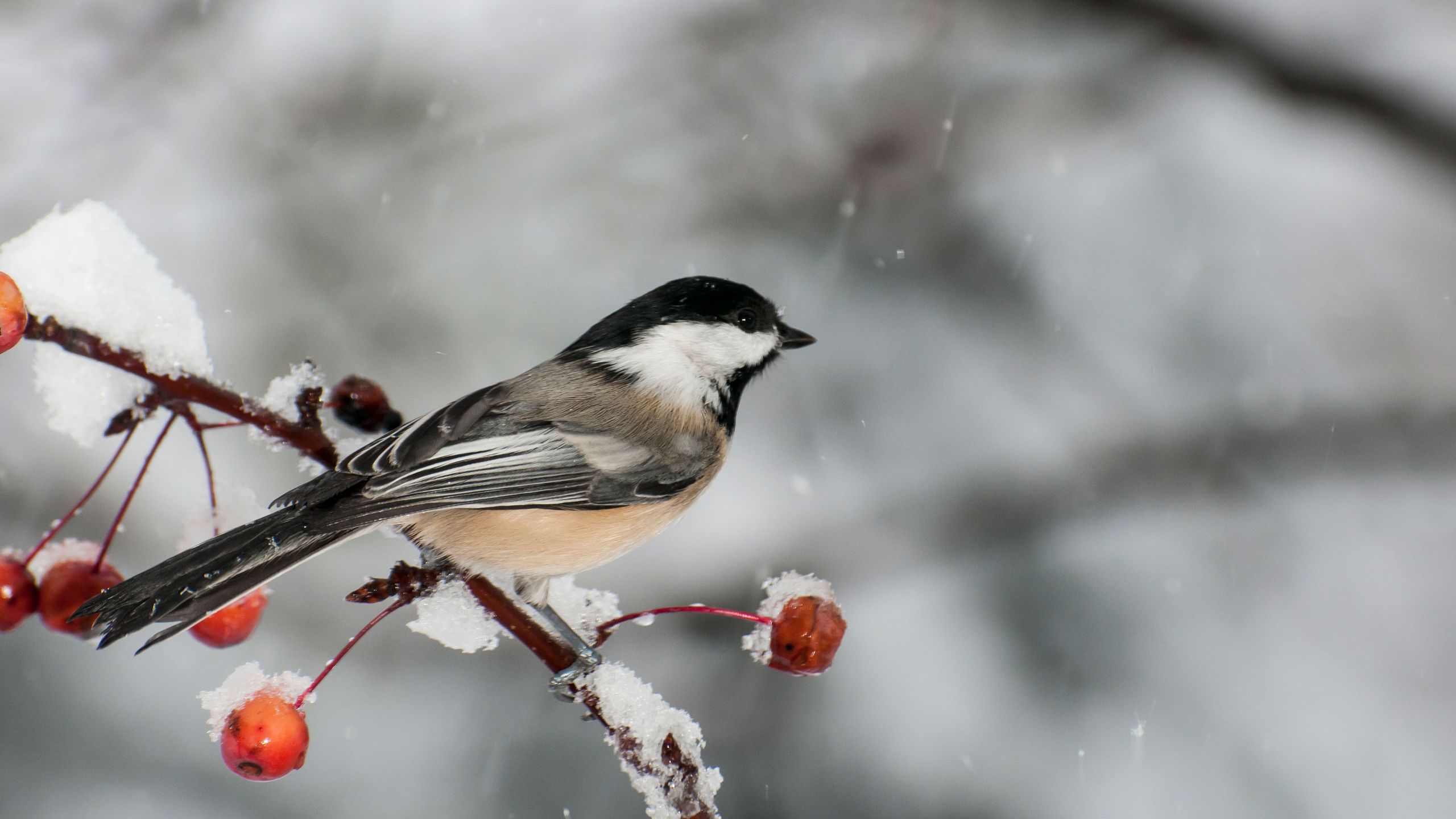
Unlock the Secret to Thriving Garden Birds: A Comprehensive Guide to Feeding
Transforming your garden into a bustling haven for feathered friends is one of life's simple joys. Witnessing a vibrant array of species flock to your feeders offers a profound connection with nature and vital support for local wildlife. However, successfully attracting and sustaining a healthy bird population goes beyond simply scattering food. To truly enrich your garden and ensure your avian visitors are happy and healthy, it's essential to understand their diverse dietary needs, the importance of hygiene, and the latest scientific recommendations for responsible feeding. Let's delve into how to effectively feed garden birds, ensuring they return time and again.
Understanding Diverse Appetites: What to Offer Your Feathered Guests
Just like us, different birds have different tastes and nutritional requirements. A varied menu is key to attracting a wider range of species to your garden. Gone are the days of one-size-fits-all birdseed; modern bird feeding involves a thoughtful selection of high-quality foods. By catering to various palates, you can encourage visits from everything from the common sparrow to the more elusive woodpecker.
- Sunflower Hearts & Black Oil Sunflower Seeds: These are universal favorites. Great Tits, Starlings, Finches (like Greenfinches and Chaffinches), and even Dunnocks adore sunflower hearts due to their high oil content and easy digestibility. Black oil sunflower seeds, with their thin shells, are also a hit and provide crucial energy.
- Peanuts: Rich in fat and protein, peanuts are a fantastic energy source, especially for larger birds like Woodpeckers, Great Tits, and Starlings. Always offer peanuts in a mesh feeder to prevent young birds from choking on large pieces.
- Suet & Fat Balls: Packed with calories, suet is invaluable, particularly during colder months when natural food sources are scarce, and year-round for many species. Woodpeckers, Tits, Blackbirds, and Robins are big fans. Ensure suet is of good quality and free from excessive fillers.
- Mealworms: A high-protein treat, mealworms (live or dried) are irresistible to insect-eating birds like Robins, Blackbirds, Wrens, and even some Warblers. They are especially beneficial during breeding season when birds need extra protein for their young.
- High-Quality Seed Mixes: While many mixes exist, opt for those with a high proportion of sunflower seeds, millet, and oats. Avoid mixes with excessive amounts of cheap fillers like split peas or beans, which often go uneaten and attract pests. Superior seed mixes can appeal to a broad spectrum of birds, including ground feeders and those visiting hanging feeders.
- Other Options: Niger seeds are perfect for attracting smaller finches like Goldfinches and Siskins, requiring a specialized feeder. Crumbled cheese (in moderation) can be a good source of fat for Robins and Wrens, especially in winter.
Observing which birds visit your feeders and what they prefer will help you tailor your offerings. For instance, while Great Tits and Starlings are relatively unfussy, enjoying almost everything from sunflower hearts to mealworms, a Woodpecker will likely make a beeline for peanuts and suet. A Blackbird might be found feasting on mealworms, while a Dunnock will appreciate sunflower hearts.
The Science Behind Sustainable Feeding: Mitigating Risks and Embracing Best Practices
While the joy of feeding garden birds is undeniable, it's crucial to acknowledge that there are both benefits and risks involved. Scientific research, such as that significantly contributed by the British Trust for Ornithology (BTO), continually refines our understanding of how our feeding practices influence bird populations, survival rates, and disease transmission.
One of the most significant and clearly understood risks relates to disease transmission at feeding stations. Finch trichomonosis, for example, has had a severe impact on Greenfinch and Chaffinch populations, with research showing elevated transmission risk in residential settings where feeders are prevalent. Understanding this evidence helps us adopt practices that protect our feathered friends.
Mastering Seasonal Feeding for Healthier Birds
Recent scientific findings highlight the post-breeding period as a time of elevated disease outbreak risk in gardens. This has led to a significant refinement in advice regarding *when* to feed garden birds, moving towards a seasonal approach. Adopting this strategy is a proportionate step to reduce the impact of diseases like finch trichomonosis.
What seasonal feeding means in practice:
- Seeds and Peanuts: These should primarily be offered from November to April. During the warmer months (May to October), it is recommended to halt the provision of these food types. This pause helps break disease cycles when birds are more susceptible and congregate more often.
- Mealworms and Fat/Suet: These can be continued year-round. Their high energy content remains beneficial, and the way they are consumed tends to pose less of a disease transmission risk compared to seeds.
This seasonal adjustment doesn't mean stopping feeding altogether; it's about being strategic and responsible. By aligning your feeding schedule with the latest scientific understanding, you play a vital role in safeguarding the health of wild bird populations.
Beyond the Food: Cultivating a Holistic Bird-Friendly Garden
Effective bird feeding is just one component of creating a truly welcoming environment for garden birds. A holistic approach encompasses providing water, shelter, and natural food sources, making your garden an irresistible destination year-round. To learn more about setting up your feeding station effectively, you might find valuable insights in feed garden birds - Article 1.
- Fresh Water: A clean bird bath is just as important as food. Birds need water for drinking and bathing, especially during dry spells or in winter when natural sources might be frozen. Position it in an open spot where birds can see predators.
- Shelter and Nesting Sites: Dense shrubs, evergreen trees, and climbing plants offer vital refuge from predators and harsh weather. They also provide crucial nesting sites. Consider planting native species that offer berries, seeds, and attract insects, adding natural food sources to your garden's larder.
- Predator Awareness: Take steps to deter domestic cats, which are significant predators of garden birds. Bells on collars, strategically placed thorny shrubs, or even dedicated "cat-safe" zones can help.
- Feeder Hygiene: This cannot be stressed enough. Regular cleaning of feeders and feeding areas is paramount to prevent disease spread.
- Clean feeders at least weekly, more often during peak feeding times or warm weather.
- Use a mild disinfectant (like a 5% solution of household bleach) or specialized bird feeder cleaner.
- Scrub thoroughly with a stiff brush, rinse well, and ensure feeders are completely dry before refilling.
- Move feeders regularly to prevent a build-up of droppings and discarded food underneath.
- Rake up old food and droppings from the ground beneath feeders.
Conclusion: A Rewarding Commitment to Wildlife
Feeding garden birds is a deeply rewarding activity that enriches both our lives and the local ecosystem. By understanding the diverse dietary preferences of various species, adhering to seasonal feeding recommendations, and maintaining impeccable hygiene at your feeding stations, you contribute significantly to the health and vitality of wild bird populations. Remember, responsible feeding isn't just about providing food; it's about creating a safe, nourishing environment that encourages birds to thrive. For more advanced tips on attracting specific species and making your garden an even greater avian paradise, don't miss feed garden birds - Article 2. Happy feeding!