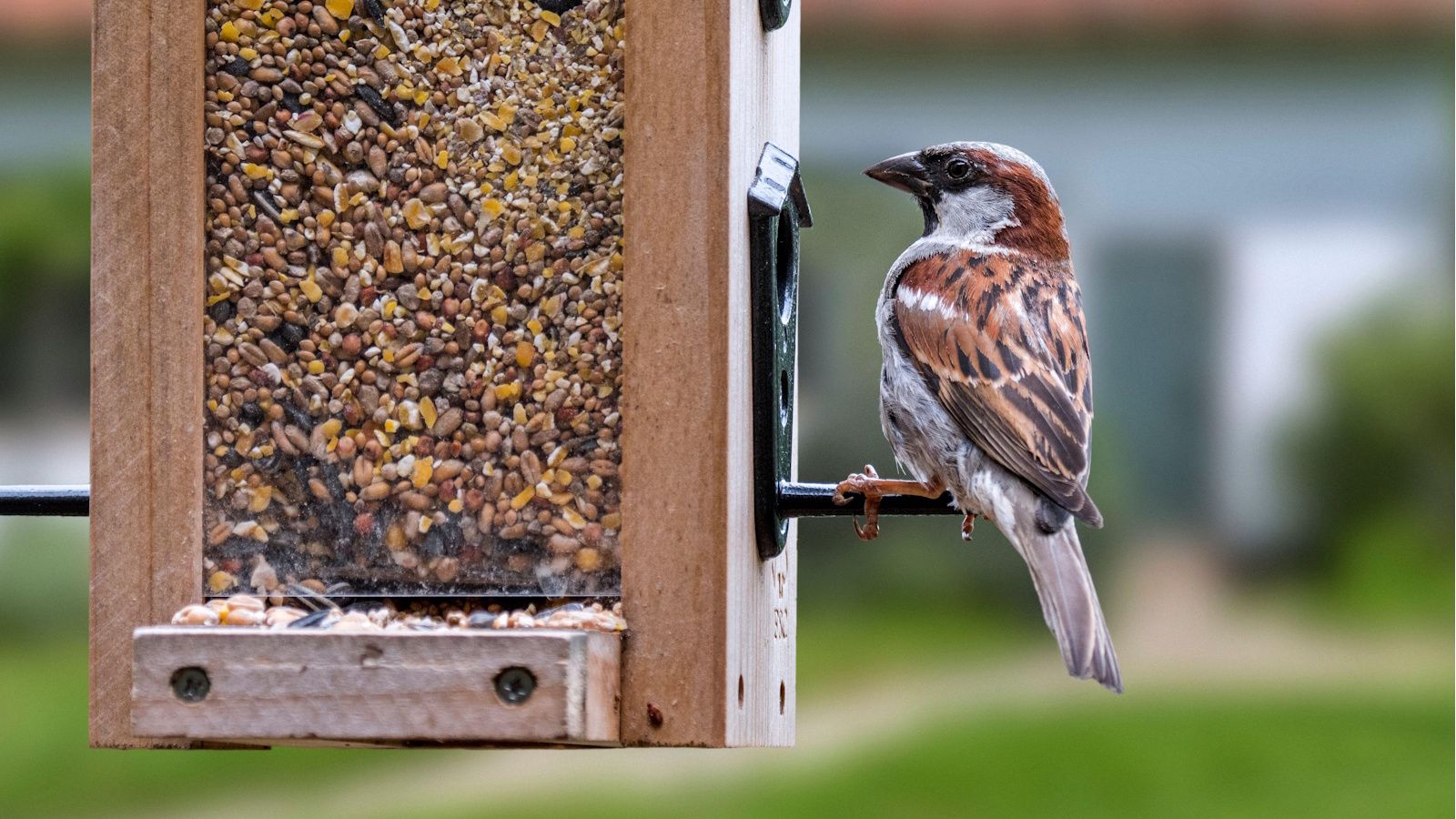
Embracing Nature: A Comprehensive Guide to Responsibly Feed Garden Birds
Bringing the vibrant world of feathered friends to your garden is an incredibly rewarding experience. It's a wonderful way to connect with nature, observe local wildlife up close, and contribute to the well-being of our avian neighbours. A well-maintained and thoughtfully stocked bird feeder can transform your outdoor space into a bustling hub of activity, attracting a diverse array of species from the energetic Great Tit to the melodious Blackbird. However, responsibly feeding garden birds involves more than just putting out food; it requires understanding their dietary needs, considering their health, and adapting your approach throughout the year.
The joy of watching a robin peck at a suet ball or a flock of sparrows squabbling over seeds is undeniable. By offering the right food at the right time and in the right way, you not only ensure your feathered visitors are happy and healthy, but you also encourage them to return, creating a lasting connection to the wild. Let's delve into the best practices to effectively feed garden birds and create a thriving ecosystem right in your backyard.
Understanding Diverse Palates: Tailoring Your Bird Buffet
Just like humans, different bird species have distinct preferences and nutritional requirements. Offering a variety of food types will significantly increase the range of birds you attract to your garden. While some birds are culinary adventurers, others have very specific tastes.
Here’s a breakdown of popular food options and the birds they typically appeal to:
*
Sunflower Hearts: These de-husked sunflower seeds are a universal favourite. High in energy and easy to eat, they are loved by almost all garden birds, including finches, tits, sparrows, dunnocks, and even starlings. Their lack of husks also means less mess around your feeding stations.
*
Peanuts: Rich in fat and protein, high-quality, unsalted peanuts are a superb energy source. They are particularly popular with Great Tits, Blue Tits, Nuthatches, Woodpeckers, and Greenfinches. Always offer peanuts in a mesh feeder to prevent large pieces from being taken, which can be a choking hazard for young birds. For fledglings, crushed peanuts are a safer option.
*
Suet and Fat Balls: These are absolute powerhouses of energy, especially vital during colder months when birds need extra calories to maintain body temperature. However, suet is a fantastic year-round option and is relished by a wide variety of birds including robins, wrens, starlings, blackbirds, and woodpeckers. Ensure fat balls are removed from any nylon mesh nets, which can trap or injure birds.
*
Mealworms: A protein-packed treat, live or dried mealworms are a favourite among insectivorous birds. Robins, Blackbirds, Wrens, Song Thrushes, and even some tits will readily devour them. They are particularly beneficial during breeding season when parent birds are seeking protein-rich food for their chicks.
*
Seed Mixes: While convenient, the quality of seed mixes varies greatly. Look for mixes high in black oil sunflower seeds, white millet, and niger seeds, as these are preferred by most birds. Avoid cheap mixes with a high proportion of wheat or large, whole cereals, as these often act as fillers and are discarded by smaller birds, leading to waste and potential hygiene issues. Great Tits and Starlings are generally less picky and will enjoy good quality seed mixes, while Finches often prefer smaller seeds like niger.
By observing which birds visit your feeders and what they prefer, you can fine-tune your offerings to create the ultimate avian dining experience in your garden.
The Seasonal Approach to Feeding Garden Birds
Recent scientific research, significantly contributed to by organisations like the British Trust for Ornithology (BTO), has refined our understanding of how to responsibly feed garden birds. One of the most critical evolutions in advice concerns seasonal feeding, primarily driven by concerns around disease transmission at feeding stations.
The strongest evidence points to finch trichomonosis, a parasitic disease that has severely impacted Greenfinch and Chaffinch populations. BTO research indicates that the risk of transmission is elevated in residential settings, particularly during the post-breeding period (late summer to early autumn). To mitigate this risk, a seasonal component to food provision has been recommended, which is best practice under current conditions.
What this means for your feeding routine:
*
November to April: This is the prime period for offering high-energy foods like
seeds and peanuts. Birds need these extra calories to survive the colder months and prepare for the breeding season.
*
May to October: During these warmer months, it is recommended to
pause the provision of seeds and peanuts. This proportionate step helps reduce the density of birds at feeders for these specific food types, thereby lowering the risk of disease transmission, especially finch trichomonosis.
*
Year-Round Provision: Regardless of the season, you can continue to offer
mealworms and fat/suet products. These foods are generally less associated with the specific disease risks of seeds and peanuts and provide vital nutrients for many species throughout the year.
This seasonal adjustment aims to support bird populations while minimising the risks that feeding can inadvertently create. It reflects an evolving understanding of the complex relationship between humans, feeding stations, and wild bird health.
Minimising Disease Risk and Maintaining Hygiene
The scientific evidence is clear: while feeding garden birds offers immense benefits, it also carries risks, particularly concerning disease transmission. Finch trichomonosis is a prime example, but other pathogens can also spread at feeding stations if hygiene isn't maintained. Therefore, rigorous hygiene practices are non-negotiable for responsible bird feeding.
Here are essential tips to minimise disease risk and maintain a healthy environment for your garden birds:
*
Regular Cleaning is Paramount:
*
Feeder Cleaning: Clean all feeders thoroughly at least once a week, more often during warmer months or if you notice sick birds. Use a mild disinfectant (such as a 5% solution of household bleach) and hot water, scrubbing away any accumulated droppings or old food. Rinse thoroughly and allow to dry completely before refilling.
*
Bird Bath Cleaning: Clean bird baths daily with fresh water to prevent the build-up of algae and bacteria.
*
Rotate Feeding Stations: Periodically move your feeders to different locations in the garden. This prevents the accumulation of droppings and pathogens in one concentrated area beneath the feeder.
*
Prevent Overcrowding: Spread out multiple feeders if possible, rather than having one large feeding station. This reduces competition and contact between birds, which can limit disease transmission.
*
Choose Easy-to-Clean Feeders: Opt for feeders made from materials like plastic or metal that can be easily dismantled and cleaned. Avoid wooden feeders if possible, as they can be harder to sanitise thoroughly.
*
Discard Old or Wet Food: Never let food become mouldy or wet in feeders. Damp food can quickly harbour bacteria and fungi. Only put out enough food that will be eaten in a day or two.
*
Wash Your Hands: Always wash your hands thoroughly with soap and water after handling feeders or bird food.
*
Act on Suspected Disease: If you observe sick birds (e.g., lethargy, fluffed-up appearance, difficulty feeding, unusual growths), immediately remove all feeders and bird baths for at least two to four weeks. Clean them thoroughly before redeploying. This helps break the cycle of disease transmission.
By diligently following these hygiene protocols and adhering to seasonal feeding advice, you play a crucial role in safeguarding the health of the very birds you aim to help.
Conclusion
Feeding garden birds is a fulfilling endeavour that offers a unique window into the natural world. It’s a chance to provide vital support to local wildlife, particularly during challenging times, and fosters a deeper connection to nature right on your doorstep. By understanding the diverse dietary preferences of different species, embracing the scientifically informed advice on seasonal feeding, and committing to stringent hygiene practices, you can create a safe, healthy, and inviting haven for your feathered visitors. The responsibility of feeding wild birds is a privilege, and by doing it mindfully, you contribute significantly to their survival and the vibrant biodiversity of your garden. Happy and responsible feeding!
For more insights into creating a thriving bird-friendly space, explore
feed garden birds - Article 1 and
feed garden birds - Article 3.