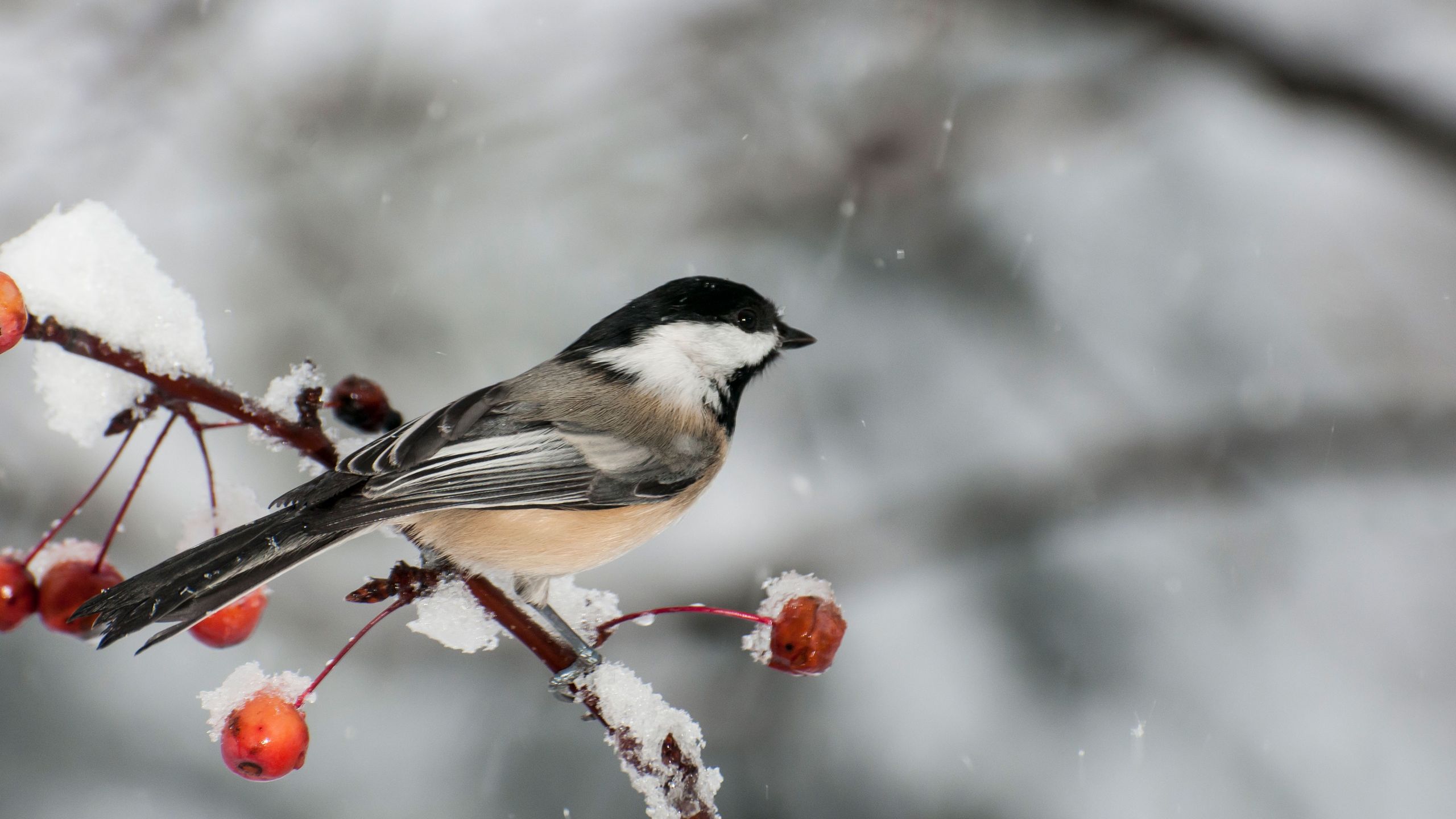
Creating a Sanctuary: The Art of How to Feed Garden Birds Effectively
There's a unique joy in looking out into your garden and seeing it teeming with feathered life. The vibrant flash of a Robin, the cheerful chatter of a Sparrow, or the acrobatic antics of a Great Tit bring a sense of connection to nature right to your doorstep. For many, the simple act of putting out food is a rewarding way to support local wildlife and enhance their outdoor space. However, becoming a truly effective and responsible guardian of your garden birds goes beyond just scattering seeds. It involves understanding their needs, being mindful of potential risks, and adapting your approach to create a truly beneficial haven. Learning how to feed garden birds thoughtfully is a journey that enriches both the birds and the observer.
Understanding Your Feathered Guests: Tailoring Food Choices
Just like people, different birds have different dietary preferences. A varied menu is key to attracting a diverse array of species to your garden. While some birds are culinary adventurers, others have very specific tastes. Providing the right food in the right way ensures your visitors are happy, healthy, and return season after season.
- Sunflower Hearts: The Universal Favourite
These de-husked sunflower seeds are incredibly popular with a wide range of birds, including Great Tits, Blue Tits, Finches, and Dunnocks. They are high in energy and leave no messy husks behind, making them a clean and efficient option for any feeder. - Peanuts: Power-Packed Energy
Rich in fat and protein, peanuts are a vital energy source, especially during colder months. Woodpeckers, Nuthatches, and Great Tits are particularly fond of them. Important: Always offer peanuts in a mesh feeder to prevent birds, particularly young ones, from choking on large pieces. - Suet and Fat Products: Winter Warmers and Year-Round Boosters
Suet fat balls, blocks, and pellets provide crucial calories and energy. They are a favourite of Robins, Blackbirds, Starlings, and various Tits. These are especially vital during winter when natural food sources are scarce, but can be offered year-round (as we'll discuss) to supplement diets. - Mealworms: Protein for Insectivores
Live or dried mealworms are a protein-rich treat, particularly beloved by insect-eating birds like Robins, Blackbirds, Wrens, and Song Thrushes. They are invaluable during breeding season when birds need extra protein for their young. - Quality Seed Mixes: A Solid Foundation
While individual foods target specific birds, a good quality seed mix can form the backbone of your feeding station. Look for mixes that contain a high proportion of black sunflower seeds, millet, and flaked maize. Avoid cheap mixes with too much wheat or 'filler' ingredients, as these are often ignored by smaller birds and can attract pigeons or rats.
By observing which foods disappear fastest and which birds visit, you can fine-tune your offering. For a deeper dive into specific feeder types that complement these foods, explore our guide on feed garden birds - Article 2.
The Critical Element: Seasonal Feeding for Bird Health
One of the most significant advancements in understanding how to feed garden birds responsibly is the concept of seasonal feeding. Scientific research, particularly from organisations like the British Trust for Ornithology (BTO), has highlighted both the immense benefits and potential risks associated with garden bird feeding. While feeding undoubtedly supports birds and offers cherished opportunities for human connection with nature, it can also influence disease transmission.
The strongest evidence currently points to the risk of disease transmission at feeding stations, most notably finch trichomonosis. This parasitic disease has had a devastating impact on populations of Greenfinches and Chaffinches, with research indicating elevated transmission risk in residential settings where feeders are prevalent. Understanding these risks has led to evolving, science-backed guidance on *when* to offer certain foods.
The Latest Best Practice Recommendations:
To mitigate the impact of diseases like finch trichomonosis, the current advice (introduced with a recommended adoption in April 2026, though implementing it sooner is beneficial) includes a seasonal adjustment to food provision:
- Seeds and Peanuts: Halt Provision from May to October
During the warmer months (May to October), when natural food sources like insects are abundant, it is recommended to pause the provision of seeds and peanuts. This proportionate step significantly reduces the potential for disease transmission at feeding stations, as birds are less reliant on feeders and more dispersed, thus lessening the density and contact points that facilitate disease spread. Resume offering these from November to April, when birds need high-energy sustenance to survive the colder, leaner months. - Mealworms and Fat/Suet: Continue Year-Round
Unlike seeds and peanuts, mealworms and fat/suet products can continue to be offered year-round. These foods are generally associated with a lower risk of trichomonosis transmission, and they provide essential nutrients and energy that complement natural diets throughout the year, especially for insectivorous birds or during periods of high energy demand like nesting.
This seasonal approach represents the best practice under present conditions, ensuring we support our birds in the healthiest way possible while allowing for the continued joy of watching them.
Beyond the Food: Maintaining a Healthy Feeding Station
Providing the right food at the right time is crucial, but equally important is maintaining impeccable hygiene at your feeding stations. A dirty feeder can quickly become a breeding ground for bacteria and diseases, turning a helpful food source into a hazardous one. Think of it like a communal dining hall – if it's not cleaned regularly, it becomes a health risk.
- Regular Cleaning: The Golden Rule
Feeders should be cleaned thoroughly at least once a week, and more frequently during busy periods, wet weather, or if there are signs of illness among your visiting birds. Use a mild disinfectant or a bird-safe cleaning solution, ensuring to rinse thoroughly with clean water afterwards. Allow feeders to dry completely before refilling to prevent mould growth. - Rotate Feeder Locations
Periodically moving your feeders to different spots in the garden can prevent a build-up of droppings and uneaten food beneath them, which can harbour pathogens and attract pests. - Avoid Overfilling
Only put out enough food to last a day or two. Stale or damp food can quickly spoil and become harmful. It's better to refill more often with fresh food than to leave large quantities out for extended periods. - Provide Fresh Water
Often overlooked, a clean, fresh water source is just as vital as food for birds. Bird baths need daily cleaning and refilling to prevent the spread of disease.
By diligently adhering to these hygiene practices, you significantly reduce the risk of disease transmission and ensure your feeding station remains a safe haven for your garden birds. For more detailed advice on setting up and maintaining different types of feeders, don't forget to check out feed garden birds - Article 3.
Maximizing Your Garden's Avian Appeal
While strategically placing food is a primary way to feed garden birds, creating a truly bird-friendly garden involves more than just feeders. A holistic approach will provide not only sustenance but also shelter, nesting sites, and natural food sources.
- Natural Habitat: The Ultimate Buffet and Shelter
Planting native shrubs, trees, and berry-producing plants provides natural food sources (berries, seeds, insects) and vital cover from predators and harsh weather. Dense hedging offers ideal nesting sites. - Water, Water Everywhere
Reiterate the importance of a clean water source for drinking and bathing. A shallow bird bath or a small pond can be an incredible draw. - Go Chemical-Free
Avoid using pesticides and herbicides in your garden. These chemicals can harm birds directly or indirectly by reducing their natural food supply of insects. - Observation and Enjoyment
Ultimately, feeding garden birds is about connecting with nature. Take time to observe your visitors, learn their habits, and appreciate the vibrant life they bring to your outdoor space.
The act of feeding garden birds is a wonderful way to foster a connection with the natural world and actively support local wildlife. By understanding the varied dietary preferences of different species, embracing the crucial practice of seasonal feeding to mitigate disease risks, and maintaining impeccable hygiene at your feeding stations, you can transform your garden into a thriving, safe, and welcoming haven for a diverse array of feathered visitors. It’s a journey of continuous learning and deep satisfaction, providing not just food, but a lifeline and a front-row seat to nature's incredible show.